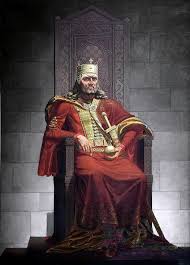
Stjepan Držislav (c. 950-996./997.) gets a recognition from the Byzantine emperor Basil II. as the “King of Croatia and Dalmatia”…
Author Archives: Josip
Stjepan Radić (1871-1928), politician and statesman

During his lifetime, Stjepan Radić became one of the most respected and popular figures on the Croatian political scene in the first three decades of the 20th century…
Marko Marulić (1450 – 1524), writer

Marko Marulić (lat. Marcus Marulus Spalatensis) (Split, August 18, 1450 – Split, January 5, 1524) was a Croatian writer and Christian humanist, the father of Croatian literature. He is often referred to as an ethnic “Splician”. He left behind a rich and diverse oeuvre, which is characterized by exceptional literary stylization, knowledge and skill, and the ability to adapt to a diverse readership…
The lost Croatian Queen Domaslava
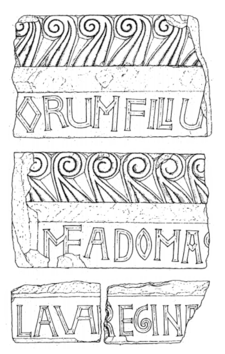
In 2011, during archaeological research and conservation work on the church of St. Vid in the Klis fortress, conservator R. Bužančić came across pre-Romanesque fragments among the blocks of its western facade with the remains of royal inscriptions, four of them that can be interconnected.
The lost silver coins of King Colloman

The year is 1878, and the head of the Benkovac political district, Stefan Barbieri, is approached by a peasant, Pero Pavlović, from nearby Donji Lepur in Ravni Kotar near Zadar. He gives him a silver coin and says: “I found another 2,000 coins in the ground…” Barbieri looked at the coin, which looked a bit strange, authentic, and a cross was visible on it…
Who were the Vlachs in Croatia?
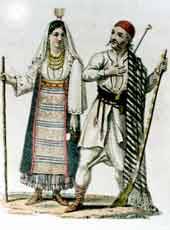
“Vlachs” is a collective name for several smaller related ethnic groups from Southeast Europe who were descendants of Roman colonists and Romanized local ancient peoples such as Illyrians and Thracians.
Nikola Tesla (1856-1943), scientist and inventor

Nikola Tesla is an American and Croatian inventor of Serbian origin (Smiljan, July 10, 1856 – New York, January 7, 1943). He was born in the Lika district, but he worked almost all his life in the USA, where he made all his inventions…
Josip Jelačić (1801-1859), military officer and politician
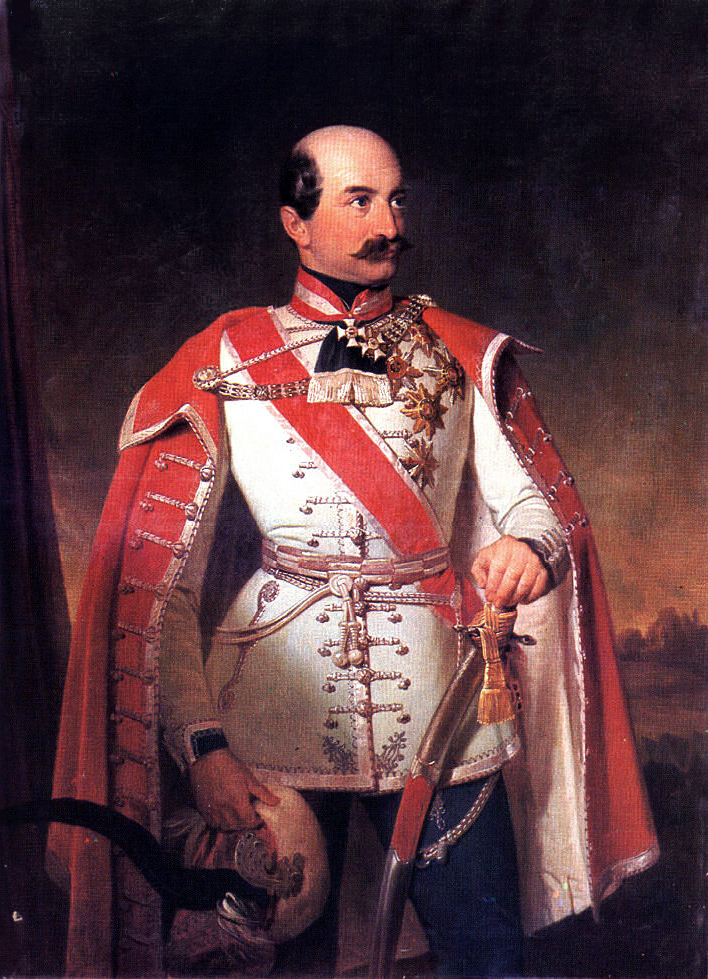
Josip Jelačić was born on October 16, 1801 in Petrovaradin, where his father Franjo was sub-marshal of the Slavonian Military Frontier. He was born into a noble family whose members were distinguished warriors, high military commanders, statesmen, priests, educators, benefactors and writers. His mother Ana Portner was also from a noble family, and in addition to Josip, she gave birth to two more sons, Jura and Antun, and a daughter, Cecilia.
Battle of Vis, 1866
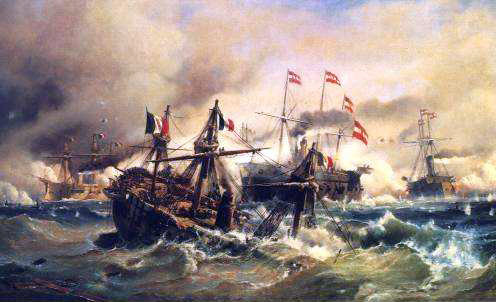
In 1865, the Prussian chancellor Bismarck submitted to Austria a proposal that Austria cede the provinces of Schleswig and Holstein to Prussia for a certain monetary compensation. At the same time, Italy offered Austria a thousand million lire for Venice. Austria flatly rejected both offers, and then Prussia and Italy concluded a pact on a joint attack on Austria. If Prussia attacks Austria, Italy will also attack it. The peace would be concluded so that Italy would get Venice, and Prussia some parts of Austria. On June 23, the Italian army crossed the Minzio, which opened up the southern Italian battlefield, and Austria was drawn into the war on two fronts.
The bloody council in Križevci, 1397
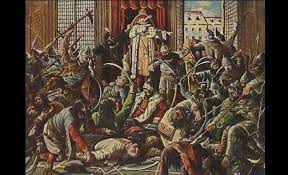
In the Middle Ages, the county of Križevci was the largest county in Northern Croatia. It had exceptional social and political significance, especially the town of Križevci itself, where sabors (assemblies) were held, the most famous of which was the “Bloody Sabor” or the „Bloody Assembly“.
 HISTORY OF CROATIA and related history